| Latin Name |
Tupaia gracilis |
| Conservation Status |
Least Concern |
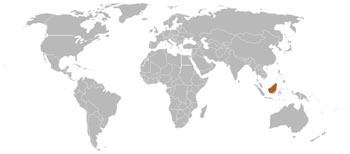
| Location
| South East Asia |
| Colour |
- |
| Length |
- |
| Tail |
- |
| Weight |
- |
| Life Expectancy |
- |
Main Characteristics
Slender Tree Shrews have a slender build and a long tail. They have well developed senses of hearing, smell and vision.
Habitat
Slender Tree Shrews are found in Indonesia and Malaysia.
Diet
Slender Tree Shrews are omnivores and they feed on a variety of insects, small vertebrates, fruit and seeds.
Breeding
After a gestation period of approximately 50 days, a litter of 3 - 4 young are born. At birth the young are blind and hairless, but they are able to leave the nest when they are a month old.
Tree Shrews reach sexual maturity at around 4 months old and they generally breed throughout the year with no defined breeding season.
Subspecies
Subspecies of the Slender Tree Shrew are:
Tupaia gracilis edarata
Tupaia gracilis gracilis
Tupaia gracilis inflata
Interesting Facts
Tree Shrews have the highest brain to body mass ratio of any animal, even higher than humans.
Tupaia comes from the Malay word "tupai" which means squirrel.
Similar Animals
Ruddy Tree Shrew
Common Tree Shrew
Mountain Tree Shrew
Northern Tree Shrew
Large Tree Shrew
Pygmy Tree Shrew
Nicobar Tree Shrew
Indian Tree Shrew
|